6 Comments// Posted in FlaxPro® by TR on 01.30.10.
Dietary deficiency of omega-3 fatty acids can cause long term damage to human health. The Food and Drug Administration (FDA) has recognized the importance of omega-3 to public health and their importance to coronary health.
Here is a problem:
The omega-3 in American diet has decreased gradually over time with the increased consumption of processed foods. On the other hand dietary levels of Omega-6 fatty acids have increased due to consumption of oils that are rich in omega-6 fatty acids. This dietary imbalance of omega fatty acids has created unfavorable ratio of omega 3:omega 6 in our body.
It is not just the amount of omega-3 consumed but the amount of omega-3 in relation to the amount of omega-6 oils consumed that is important to keep the ratio to a favorable level of 1:4 (omega 3:omega 6).
Solution:
Flaxseed provides one of the only non-animal sources of omega-3 that contains significantly more omega-3 than omega-6. About 57% of total oil in flaxseed is in the form of alpha-linolenic acid (ALA), an Omega-3 fatty acid that is essential for human health. To improve omega-3 levels and ratio between omega 3 and Omega 6, it is important to consume foods that contain significantly higher levels of omega-3 than omega-6. There are very few foods that do that – Flaxseed is one of them.
The ALA is converted by the body into eicosapentaenoic acid (EPA) and docosahexaenoic acid (DHA) omega-3s that are found in fish oils. The EPA and DHA are also essential omega-3 fatty acids for human health. The conversion of ALA to EPA and DHA is not a very efficient process in body but remember a diet rich in flax seed, will provide all three omega-3 fatty acids that are essential to healthy human health.
Flax seed promote cardiovascular health: Omega-3 fatty acids present in flax seed will lower LDL (bad) cholesterol levels.
Flax seed promote colon health: Fiber in the flax seed works excellent for people suffering from constipation.
Flax seed can boost immunity: Eating flax seeds will improve your resistance to diseases and promotes good health.
Flax seed provides oil for brain development:
Flax seed have anti-inflammatory benefits: Omega-3 fats in flax seed can help reduce the inflammation that is a significant factor in conditions such as asthma, osteoarthritis, rheumatoid arthritis, migraine headaches, and osteoporosis.
Flax seed help fight breast cancer: Flaxseed plays a role in the prevention and treatment of breast cancer and that the lignans may in part be responsible for its effect. The nature of the effect depends on the stage of the cancer process at which flax seed are introduced in the diet.
Flax seed works as a natural weight loss product: Flax seed are rich in oil, a high energy nutrient. Eating flaxseed give you “satisfied” feeling. The feeling that you get when you have completed a meal. Nutritionists term this as satiety – the feeling of fullness. Foods with minimal nutritive value leave you still craving food. Eating flax seed will reduce your overall daily food intake and assist you with weight management.
Herbalists promote the use of flaxseed for constipation, abdominal problems, breathing problems, sore throat, eczema, menstrual problems, arthritis, to lower cholesterol levels, boost the immune system, and prevent cancer.
Flax seed can be purchased at most supermarkets, bulk-food stores, and natural health food stores or directly through many manufacturers.
Common sources of flax seed are:
Flaxseed is generally believed to be safe. However, there are some potential risks to consider. As with many substances, there have been reports of life-threatening allergic reactions to flaxseed. Because of its potential effects on estrogen, pregnant or breast-feeding women should probably avoid flaxseed. Flaxseed may not be safe for women with a history of estrogen-sensitive cancer, such as breast cancer or uterine cancer. Do not apply flaxseed to open wounds or broken skin.
People with known allergy to flaxseed or any other members of the Linaceae plant family or Linum genus should avoid flaxseed products. Based on animal studies, overdose of flaxseed may cause shortness of breath, rapid breathing, weakness, or difficulty walking, and may cause seizures or paralysis. Large amounts of flaxseed by mouth may cause the intestines to stop moving (ileus). People with narrowing of the esophagus or intestine, ileus, or bowel obstruction should avoid flaxseed. Talk with your doctor before consuming large amounts of flaxseed. Consult a healthcare provider immediately if you experience side effects.
Click here for more information on safe use of flax seed
Below is a chart comparing different dietary oil for supply of different fatty acids.

Dietary Fatty acids
You can leave a response, or trackback from your own site.
Copyright © 2009 NutraPro International, All Rights Reserved

Be sure to add that some people are deathly allergic to flax seed and will figure it out if they vomit and their throats swell as well as their gums and tounge.
Good stuff, but be careful!
Thank you for pointing this out. We have added text describing safe use of flax seed.
thanks for the literature. i needed it desperately. need more on it.
2004 study shows that too much ALA will increase chance of prostate cancer. Turns out better to ingest EPA & DHA directly instead of relying on ALA to convert to EPA & DHA.
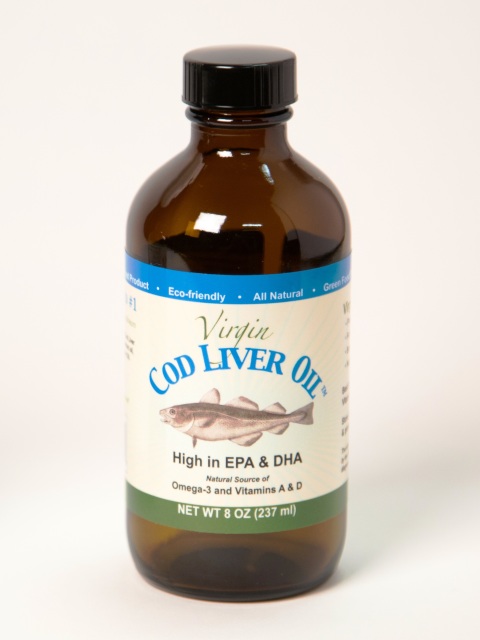
Probably not smart to avoid ALA completely. But study does discourage such strategies as substituting flax seed oil for cod liver oil. (Making this info particulary sensitive to vegans & vegetarians.)
Just be careful until more info available.
Link to 2004 study: http://www.ajcn.org/cgi/content/abstract/80/1/204
[...] Why eat omega-3 fatty acids from Flax seeds [...]
[...] Ideas for Ready To Eat FlaxPro Why eat omega-3 fatty acids from Flax seeds Is Eating Too Much Flax Seed Bad? Make FlaxPro part of your daily life Flax seed help fight breast [...]